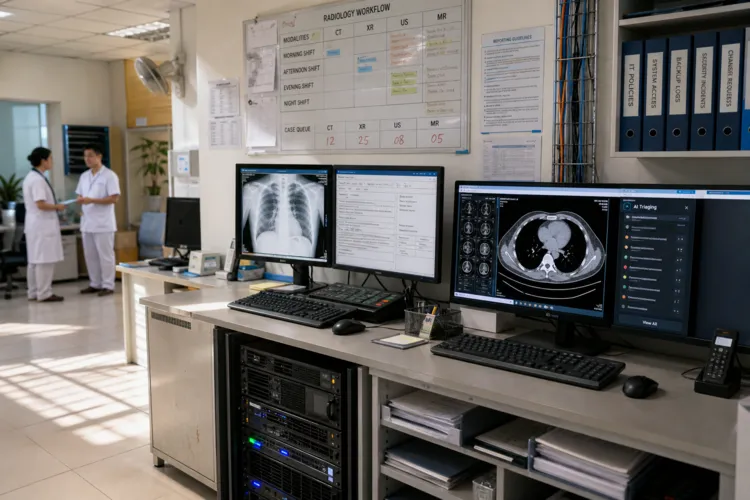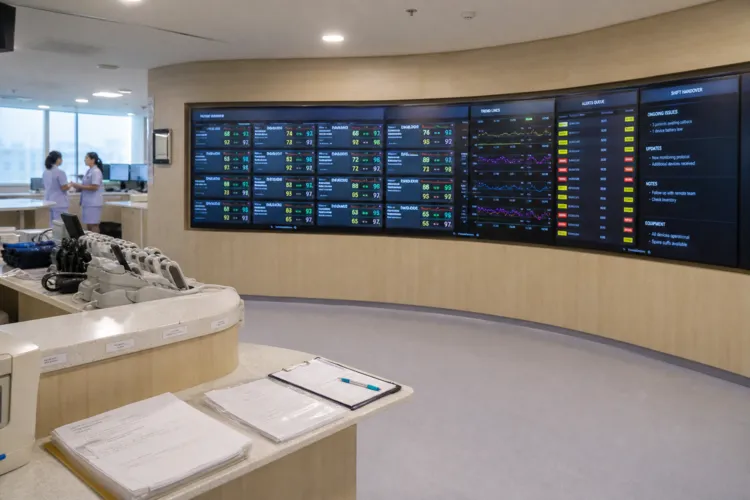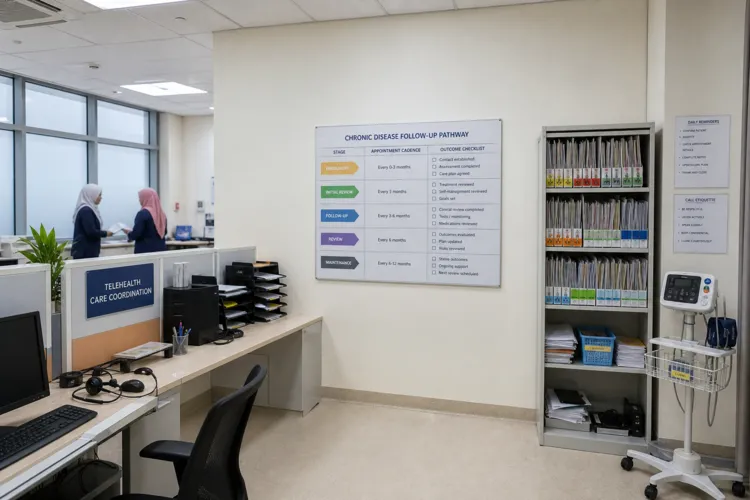

Frontline triage depends on speed, consistency, and clear escalation paths. Across Asia-Pacific, diagnostic imaging and AI adoption trends are converging in ways that could change how cases are prioritized before a specialist even sees them. The Asia Pacific diagnostic imaging services market surpassed USD 141.16 billion in 2025 and is predicted to reach around USD 275.1 billion by 2035, registering a 6.9% CAGR from 2026 to 2035. The same market outlook highlights government-led infrastructure upgrades, funding for advanced devices, and demand for non-invasive and early diagnostics. In this environment, agentic approaches—where systems can support multi-step workflows rather than single prompts—fit naturally into triage that spans intake, imaging, prioritization, and follow-up actions.
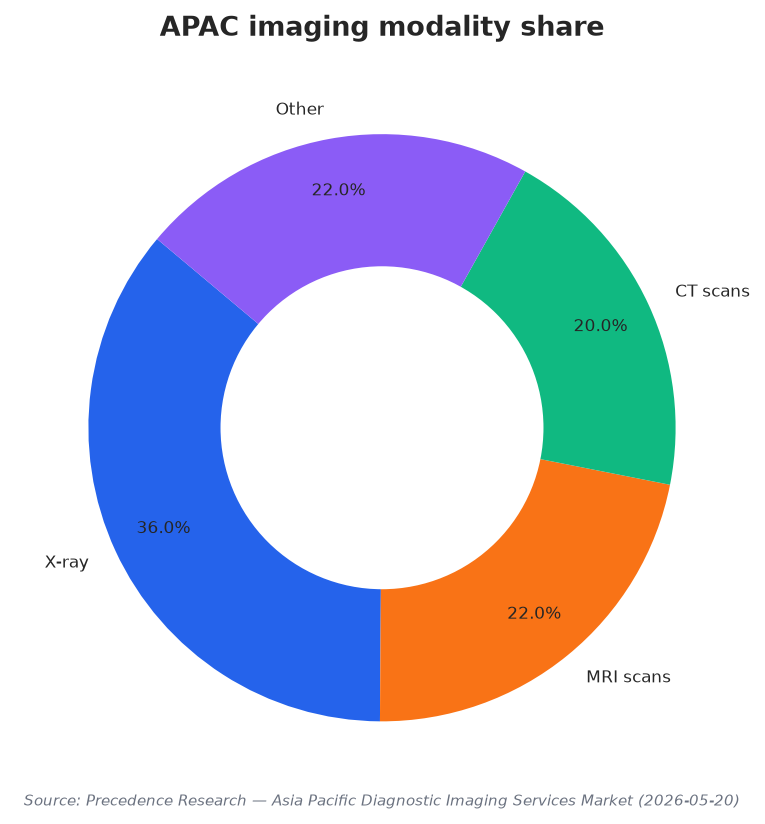
Imaging mix matters for triage design because modality choice influences throughput and where automation delivers the most value. In 2025, X-ray held a 36% share of the Asia Pacific diagnostic imaging services market, linked to growth in portable and handheld systems and a push for rapid, decentralized diagnostics. MRI scans held a 22% share, with faster scan cycles described as a driver for higher daily volumes and shorter waitlists. CT scans held a 20% share and are expected to grow, with the source attributing momentum to full integration of AI into the imaging pipeline, including AI-driven reconstruction, ultra-low radiation doses, and automated lesion detection. These modality trends point to triage workflows that increasingly begin outside major hospitals and rely on software to highlight urgent findings quickly.
Why Agent-Like Workflows Are Appearing in APAC Triage
In APAC, several public programs are explicitly targeting workflow-level integration rather than stand-alone tools. One source notes that countries like Singapore introduced a national health digital infrastructure program that aims to integrate decision-support automation and agentic AI across radiology workflows. It also describes government programs aiming to integrate advanced imaging triage software directly into national cloud infrastructure to streamline radiology data speed and reduce patient waiting times. Policy and procurement context also matters: the same source notes that India, Indonesia, and China enforced stricter local manufacturing mandates intended to make advanced imaging systems economically viable for outpatient clinics. These moves support a triage model where software can route cases, automate administrative steps, and keep imaging pathways moving as volumes shift outward.
Market data for AI diagnostics in the region suggests sustained investment capacity for triage-grade tooling. The Asia-Pacific AI Diagnostics market was valued at USD 2.32 B in 2025 and is projected to reach USD 9.56 B by 2034, at a CAGR of 22.6%. That same outlook says AI diagnostics are expanding beyond imaging into cardiology, neurology, and primary-care settings, and highlights real-time ECG interpretation tools being integrated into emergency departments to triage acute coronary events more rapidly. Country-specific signals reinforce the clinical motivation: in Japan, where over 28% of the population is aged 65 or older, AI-powered diagnostic imaging tools are gaining traction, and the Japan Medical Imaging and Radiological Society reports AI-assisted radiology systems improved early cancer detection rates by up to 30% in select hospitals.
Agentic AI Diagnostics APAC is also shaped by the broader move to AI agents that plan, use tools, and complete multi-step tasks under governance. Globally, one report values the AI Agents Market at $3.84 Bn in 2025 and projects $51.58 Bn by 2033, reflecting a 38.5% CAGR, and ties growth to enterprise adoption of agentic workflows that move beyond single-turn chat toward task completion and orchestration. Another report sizes the agentic AI market at USD 6.96 billion in 2025 and forecasts USD 57.42 billion by 2031, while stating Asia-Pacific is projected to record the quickest 44.95% CAGR through 2031. For frontline triage, the practical implication is clear: when imaging, ECG signals, and administrative routing are connected, agent-like systems can support clinicians by prioritizing risk and organizing the next best action across steps, not just generating a one-off interpretation.
What is changing about frontline triage in Asia-Pacific as AI adoption grows?
How big is the Asia-Pacific AI diagnostics market, according to the sources?
Which imaging modalities dominate the Asia Pacific diagnostic imaging services market in 2025?
What evidence suggests AI-assisted radiology can improve detection in Japan?
How could agentic AI diagnostics in APAC reshape frontline triage workflows?