Continuity planning is becoming a frontline requirement for health facilities as climate change intensifies and emergencies grow more complex. WHO notes that keeping facilities safe, functional, and responsive is essential, especially as communities in Malaysia and other Western Pacific countries face floods, heatwaves, haze, and disease outbreaks. Those same pressures can strain infrastructure, stretch workforces, and disrupt essential services. For hospital leaders, resilience is not only about responding to a single incident. It is also about building an integrated readiness posture that supports day-to-day operations when weather, logistics, and clinical demand shift at the same time.
In 2026, Malaysia became the first country to pilot WHO’s consolidated Climate and Emergency Adapted for Readiness (CLEAR+) toolkit for climate-resilient health facilities. In Malaysia, CLEAR+ has been adapted and implemented as the Malaysia Resilient Healthcare Facilities (MyReHF) initiative. The pilot included a three-day technical workshop and field testing held in Putrajaya and selected health facilities, bringing together participants from MOH Malaysia, WHO, and partner agencies. The aim is practical: reduce duplication, align with national systems, and produce action-oriented findings that can guide facility-level continuity planning.
From Separate Checklists to One Integrated Readiness Lens
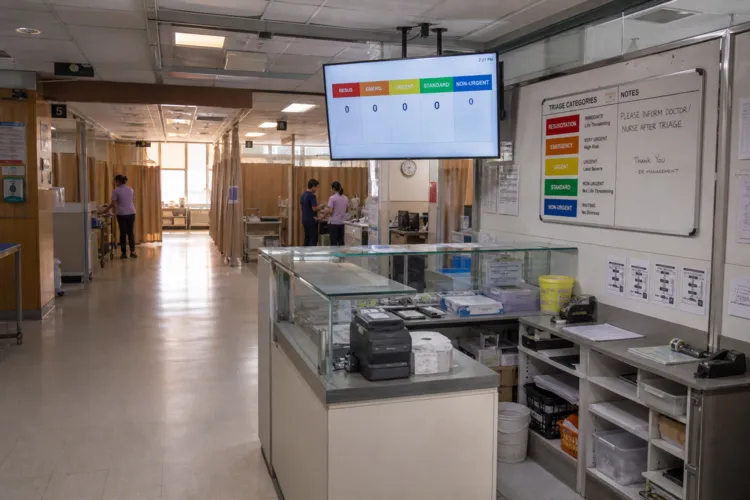
A central value of CLEAR+ is that it consolidates three existing WHO tools into one streamlined assessment: the Hospital Safety Index, the Climate-Resilient and Environmentally Sustainable Health Care Facilities framework, and WASH-FIT. The toolkit covers six core areas that map directly to continuity planning needs: emergency management, health workforce, service continuity, WASH, infrastructure, and sustainability. During the Malaysia pilot, multidisciplinary teams tested real-world usability through on-site assessments at Hospital Banting in Selangor and Klinik Kesihatan Seremban 2 in Negeri Sembilan, reflecting both hospital and primary care settings. Findings from these site visits are intended to refine the toolkit before wider roll-out.
Local research in Selangor reinforces why continuity planning must explicitly address climate hazards, not just general emergencies. A 2026 study describes development and initial field testing of a facility-level climate vulnerability assessment tool tailored to the Malaysian healthcare context. It notes that climate-related hazards are occurring with increasing frequency and that flooding and heatwaves can occur annually across some regions in Malaysia. The study observes that most facilities are better prepared for flooding, with flood action plans, than they are for heatwaves. It also reports that a government hospital with a Green Building Certification showed consistently higher capacity to respond to both hazards, while still facing limits in supply chain continuity, resource planning, and emergency logistics.
This is where the continuity conversation becomes operational. A Malaysia-focused healthcare readiness perspective from PharmaRise argues that, as the country moves toward 2026, readiness will depend less on visible infrastructure and more on how well the medical supply chain performs “when it matters most.” It emphasizes that timely access to medicines and consumables underpins continuity of care and operational stability, and that disrupted medication access affects treatment outcomes, patient confidence, and adherence to care plans. A parallel view from TNGlobal’s reporting on BIMB discussions frames resilience as an operating outcome measured by whether essential services, including healthcare, continue functioning during disruptions. Together, these viewpoints align with the direction of Climate-Ready Hospital Resilience Malaysia is moving toward: measurable service continuity supported by structured assessment, planning, and repeatable operational capabilities.
What is Malaysia piloting to strengthen climate-resilient health facilities?
Which WHO tools are combined inside the CLEAR+ toolkit?
Which areas does CLEAR+ assess for service continuity planning?
What did Selangor field work suggest about floods versus heatwaves in Malaysian facilities?
What does Climate-Ready Hospital Resilience in Malaysia mean in practice for continuity planning?