Decentralized clinical trials are reshaping how studies reach people, and the shift is increasingly relevant for the Asia-Pacific region. Globally, the decentralized clinical trials market is projected to grow from $10.92 billion in 2026 to $29.37 billion by 2034, with a stated CAGR of 13.2%. Another estimate places the decentralized clinical trials market at about $6.11 billion in 2020 and projects $16.29 billion by 2027. Adoption signals are also strong: one industry snapshot reports that 85% of respondents moved to remote or virtual visits in ongoing trials during the COVID-19 pandemic, highlighting how quickly operating models can change when sites, sponsors, and patients need flexibility.
For APAC, the pull is not only digital. It is also operational. A CRO industry outlook values APAC’s clinical trials market at about $11 billion to $12 billion in 2024 and projects it to double by the early 2030s. That same outlook ties regional momentum to fast enrollment, cost advantages, diverse patient pools, and evolving regulatory maturity. In parallel, broader global market trackers describe Asia Pacific as the fastest-growing region for clinical trials, supported by cost-effective execution, rapid patient recruitment, favorable regulatory reforms, and increasing government investments. Together, these signals explain why sponsors looking at decentralized methods also look at APAC as a place where those methods can expand access without relying only on major urban sites.
What “Closer to Patients” Looks Like in Practice
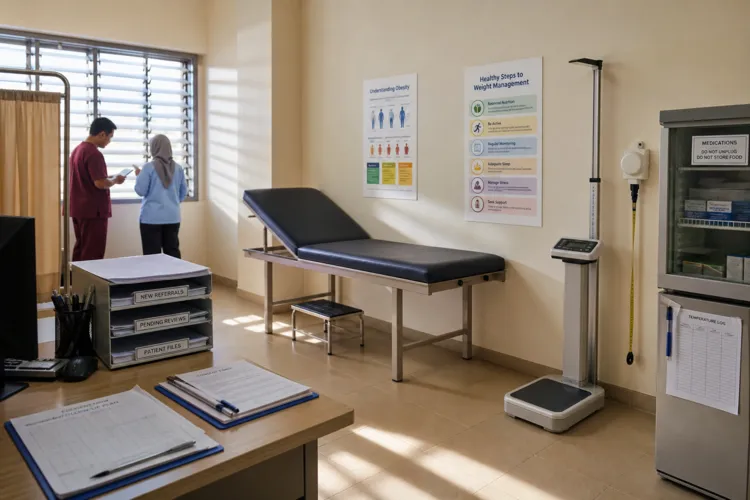
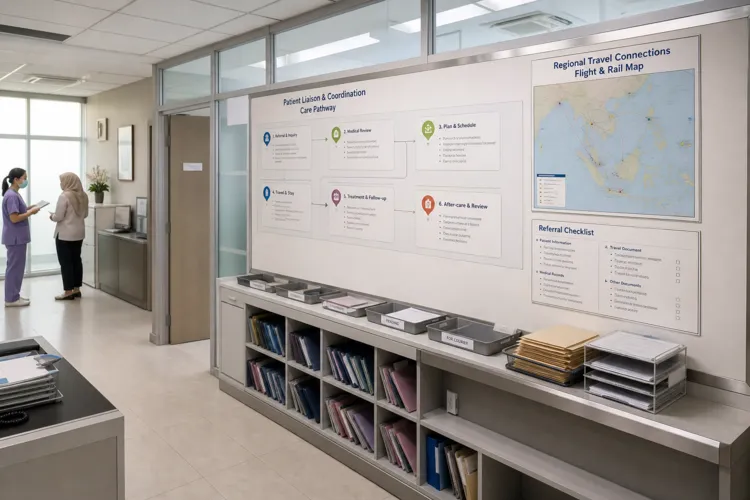
“Closer” often means hybrid workflows that mix virtual and in-person steps. Hybrid trials are described as becoming standard practice, as regulators increasingly support remote visits and digital methods when data integrity and oversight remain intact. On the ground, research sites report high levels of adoption: 94% have used at least one decentralized methodology, and 88% have hosted hybrid trials combining remote technology with traditional visits. Trial activity is rising too. The number of drug clinical trials with virtual or decentralized components increased 28% from 2021 to 2022, with about 1,300 such trials initiated in 2022 alone. These operational shifts help reduce friction for participants through remote check-ins, telemedicine, eConsent, and remote monitoring workflows.
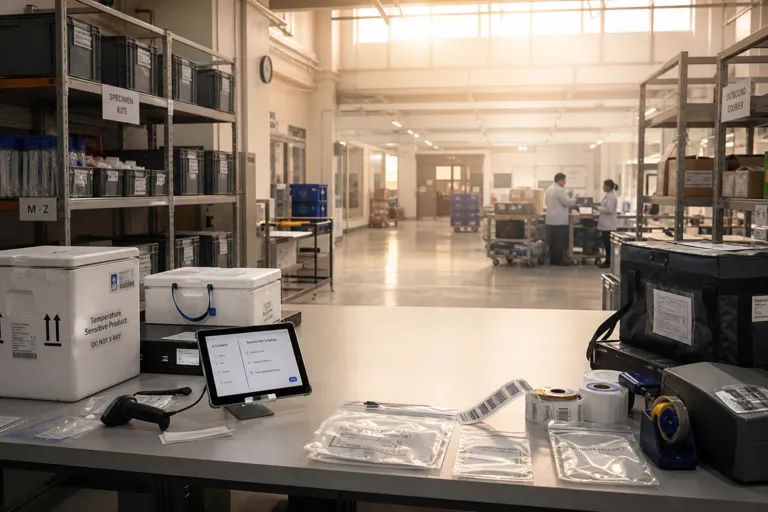
Technology is the connective tissue that makes remote participation workable at scale. Decentralized models are defined by tools such as telemedicine, wearable devices, mobile apps, and eConsent, which can enable remote participation while aiming to improve access and recruitment and reduce dropouts. Platform vendors are responding with integrated stacks designed to simplify operations and strengthen data collection. In June 2024, IQVIA launched One Home for Sites, a unified technology platform supporting decentralized and hybrid studies by combining remote patient monitoring, telehealth, electronic consent, and digital data collection in a single interface. Data capture tools are also expanding. The global electronic clinical outcome assessment (eCOA) solutions market was $2.43 billion in 2025 and is forecast to rise from $2.95 billion in 2026 to about $17.04 billion by 2035, reflecting demand for real-time, remote outcome collection in patient-centric trials.
APAC’s next step is to convert momentum into repeatable, compliant execution across many settings. Some country-level notes point to how this could evolve. China is described as leading eCOA adoption in Asia Pacific, supported by substantial investment in clinical trial infrastructure and government support for decentralized and hybrid models; sponsors running large, geographically dispersed studies are integrating cloud-based eCOA platforms with wearable devices for continuous, real-time outcome collection. Separately, China is also described as having decentralized trial reach extending into secondary cities, alongside investment in data compliance and local cloud infrastructure. Against this backdrop, “Decentralized Clinical Trials APAC” becomes less about a single format and more about building patient-friendly pathways that maintain oversight while scaling across diverse geographies.
How fast is the decentralized clinical trials market growing globally?
What signals show decentralized and hybrid trials are becoming common?
How large is APAC’s clinical trials market and what is the outlook?
Which technologies are most associated with decentralized trials?
How are Decentralized Clinical Trials APAC moving research closer to patients?