
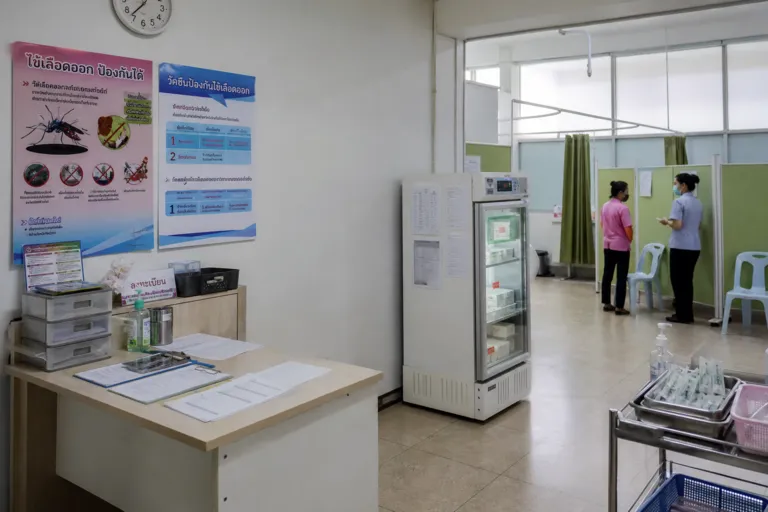
Thailand’s dengue vaccine rollout is starting to signal a broader shift toward preventive public health. Dengue remains a significant burden in the country, with over 160,000 cases reported in 2023. While two dengue vaccines are approved in Thailand, uptake has been described as limited, which puts new focus on the practical work of making prevention easier to access. Recent Thai research argues for integrating dengue vaccination into multi-pronged prevention efforts that also include education, vector control, and convenient delivery models. That framing matters because it treats vaccination as part of a system, not a one-off intervention.
One reason preventive planning is emphasized is that dengue is not a single-serotype problem in Thailand. Passive surveillance data from Kamphaeng Phet, Thailand (2004–2022) shows sustained co-circulation of all four dengue serotypes over nearly two decades, with periodic shifts in dominant serotype. The same analysis cautions against de-emphasizing individual serotypes based on short-term patterns, because all four contribute meaningfully to clinical burden. It also reports that clinically apparent DENV-2 and DENV-4 infections were more likely to represent secondary infections than DENV-1, with odds ratios of 4.94 and 5.24, respectively, and occurred at older ages. These details reinforce why a preventive posture needs durable, balanced protection thinking.
From Outbreak Response to Program Design and Delivery
Market and policy signals also point to national immunization program expansion and broader delivery planning. A market analysis report projects Thailand to lead with a 13.1% CAGR through 2036, tying this growth to expansion of national dengue immunization program procurement. Separately, an IndexBox analysis describes expansion of national immunization program inclusion from pilot programs to nationwide rollout in countries including Thailand, and highlights a wider shift from reactive outbreak response to proactive preventive vaccination in high-burden districts. It also notes practical implementation trends such as integration with existing childhood vaccination platforms (for example, measles and HPV) to leverage delivery infrastructure, plus the use of digital health tools for campaign planning, monitoring, and adverse event surveillance.
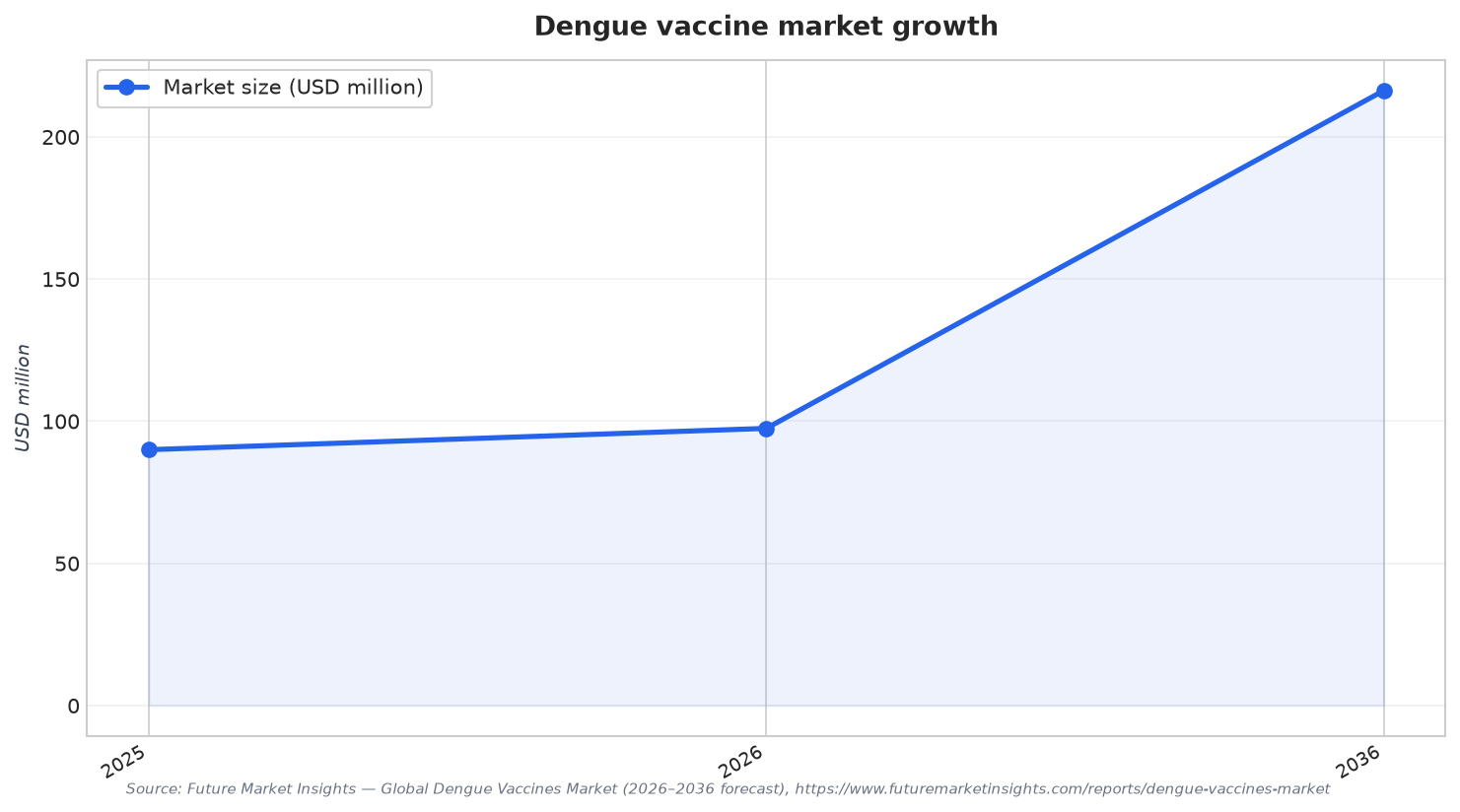
Thailand is also visible in investment-oriented snapshots of the dengue vaccines space, which can influence supply and long-term access. One industry report states that Thailand led with USD 0.07 Billion in 2025, holding a 28% share, and projects a 17.4% CAGR, attributing that outlook to strong trial participation and rollout. In parallel, a different global market forecast values the dengue vaccines market at USD 90.0 million in 2025 and expects it to reach USD 97.5 million by 2026-end, growing to USD 216.3 million by 2036 at an 8.3% CAGR. That same forecast expects government procurement programs to represent 61.6% of distribution demand in 2026, which aligns with the idea that preventive vaccination becomes most durable when embedded in public programs.
Still, a preventive public health shift depends on what people know, believe, and can access. A Thailand-focused study notes consistently low levels of knowledge and preventive practices across community surveys, even when attitudes toward dengue prevention are more favorable. Using the Capability, Opportunity, Motivation–Behaviour (COM-B) framing, the research points policymakers toward designing interventions that strengthen knowledge, create enabling environments, and build motivation, rather than assuming approval alone creates uptake. Put together, the Dengue Vaccine Rollout Thailand story is less about a single product moment and more about aligning vaccination with education, vector control, and delivery systems that make prevention routine.
What does Thailand’s dengue vaccine rollout signal for public health strategy?
Why is balanced protection across dengue serotypes important in Thailand?
What growth signals are associated with dengue immunization expansion in Thailand?
How do public programs shape dengue vaccine distribution globally?
What barriers can limit vaccine uptake even when vaccines are approved?