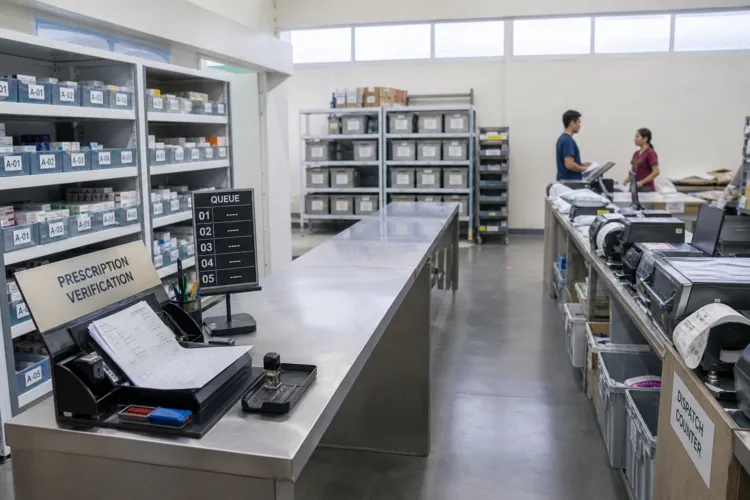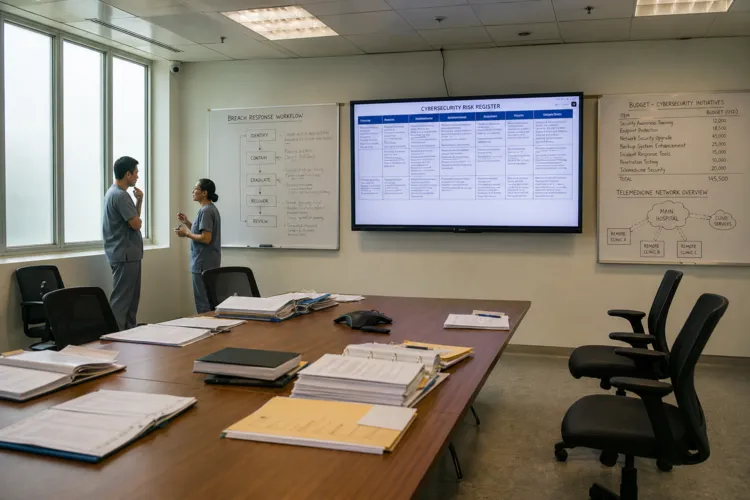
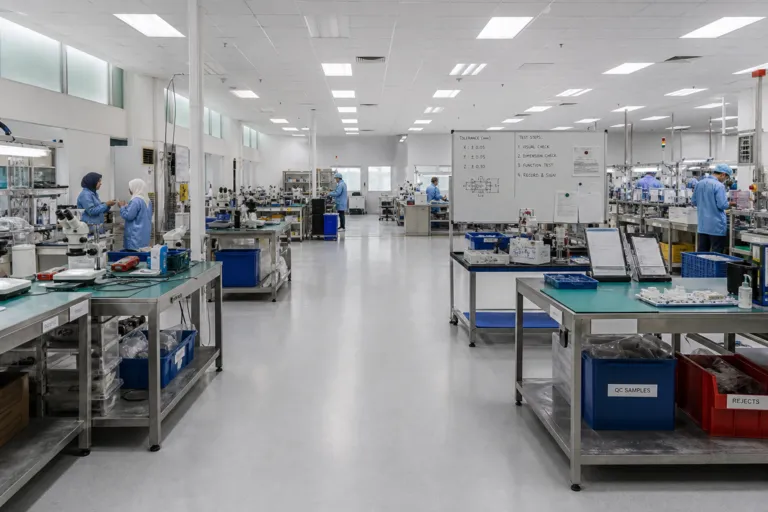
Medical Device Manufacturing Malaysia is increasingly defined by a shift in ambition and capability. According to MIDA, the country is transitioning from a traditional “Build-to-Print” base toward becoming a higher-value “Build-to-Design” regional hub for next-generation medical technologies. That shift matters because it changes where value is created, from routine production toward design-led engineering, precision processes, and advanced manufacturing. MIDA highlights opportunities in smart surgical devices, precision catheters, advanced implants, robotic-assisted surgical systems, and next-generation drug delivery devices. It also points to Malaysia’s long-standing strengths in precision machining, advanced materials, industrial automation, and precision engineering as foundations that can support more complex medical-grade components and surgical subcomponents.
Commercial momentum is also visible in contract manufacturing. A MarketsandMarkets report values Malaysia’s medical device contract manufacturing market at $381.8 million in 2025 and projects it will reach $640.0 million by 2030, representing a 10.9% CAGR. The same source frames Malaysia as a critical hub for contract manufacturers, citing geographic proximity to major Asian markets and established supply chain networks that can reduce lead times and operational costs. It also notes a well-trained workforce with expertise in precision manufacturing and quality control, supported by modern industrial parks and ISO-certified facilities that meet international medical device standards. The report adds that Malaysia’s regulatory frameworks are aligned with international standards such as FDA expectations and CE marking pathways, which supports compliant, certified outsourcing for multinational OEM demand.
Where Malaysia Is Moving Up—and Where Gaps Still Exist
Moving up the value chain does not mean every advanced category is already localized. IndexBox’s analysis of microelectronic medical implants positions Malaysia as a “Major Growth Market with an Emerging Clinical Infrastructure,” but it states that Malaysia does not currently host final assembly for high-risk Class III devices. The report describes a globally dispersed, highly specialized supply chain with high regulatory barriers, and it lists cleanroom-intensive assembly locations such as the United States, Western Europe, Costa Rica, Ireland, and Singapore. In parallel, IndexBox’s report on AI-enabled medical devices says Malaysia’s role is primarily a strategic early-adoption market and a regional clinical validation hub for Southeast Asia, not a significant manufacturing base for the core hardware or silicon of these advanced devices.
Those same reports also clarify what “higher value” can look like beyond final assembly. For microelectronic implants, IndexBox emphasizes that in Malaysia, partner capabilities in timely technical support, emergency device interrogation, and surgeon training in regional centers can be key differentiators, making channels an extension of the manufacturer’s clinical and technical support. For AI-enabled devices, IndexBox identifies a different bottleneck: access to locally relevant, curated, and de-identified clinical datasets for algorithm training and validation, alongside the ability to navigate Malaysia’s data privacy laws and build collaborative data partnerships with leading institutions. Together, these factors reinforce a pathway in which Malaysia can capture value in validation services, regulated quality systems, and specialized support models, even when core silicon or certain Class III final assembly remains elsewhere.
The regional backdrop strengthens the case for capability upgrades. Market Data Forecast values the Asia Pacific medical devices market at USD 127.62 billion in 2025, estimates USD 136.3 billion in 2026, and forecasts USD 230.71 billion by 2034, with a CAGR of 6.8% from 2026 to 2034. While these figures describe the Asia Pacific region rather than Malaysia alone, they provide context for why multinational OEMs and suppliers may keep reshaping production and partnership footprints across ASEAN. Against this demand outlook, Malaysia’s stated pivot from build-to-print toward build-to-design, combined with contract manufacturing growth and compliance alignment, signals a clearer path toward higher-value roles in engineering, precision processes, and regulated production services.
What is driving the move up the value chain in Malaysia’s medical device sector?
How fast is Malaysia’s medical device contract manufacturing market expected to grow?
Does Malaysia assemble high-risk Class III microelectronic medical implants today?
What role does Malaysia play in AI-enabled medical devices?
What does the Medical Device Manufacturing Malaysia shift mean for OEM partnerships?