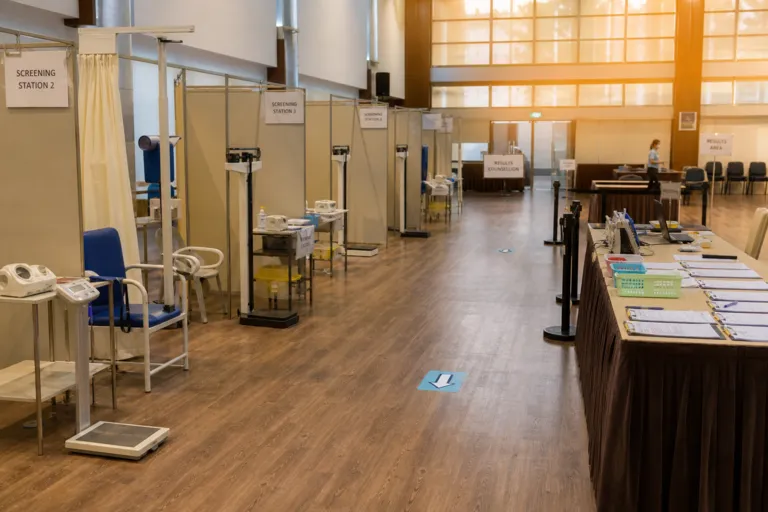
Preventive Health Screening Singapore is becoming a clearer signal of how care is being reframed around early intervention. Singapore’s healthcare system is often cited for strong outcomes, and the country ranked first in health in the 2023 The Legatum Prosperity Index™, which assessed 167 countries. That standing sits alongside ongoing policy recalibration and a model that blends individual responsibility with strong state support. The emphasis now is not only on maintaining performance, but also on building a preventive, patient-centred, and future-ready system as demand rises and health risks evolve.
One driver is the demographic pressure that makes prevention more urgent. According to Singapore’s National Population and Talent Division, in 2026, more than 21% of the population is aged 65 and above. Policymakers have also acknowledged that expanding acute care capacity alone is not the most sustainable response to rising demand, even after strategies like Healthcare 2020 (launched in 2012) helped drive expansions across hospitals, community facilities, and long-term care capacity. In this context, screening becomes less of a one-off event and more of a practical tool to reduce downstream burden through earlier detection and intervention.
From One-Off Check-Ups to Ongoing Preventive Care
Public policy and consumer behavior are moving in the same direction. A Singapore guide to screenings notes that the Ministry of Health has made preventive care a national priority, especially with the rollout of Healthier SG, aiming to shift the model from reactive treatment to proactive prevention and encouraging long-term relationships with family doctors. Industry and media coverage also reflect this shift: a Channel NewsAsia advertorial describes growing interest in data-driven preventive care, with the view that more people in their 30s and 40s are becoming more proactive. It also highlights a preventive health company regulated by the Ministry of Health and the Health Sciences Authority and licensed by the Singapore Medical Council, positioning prevention as ongoing support rather than a single appointment.
The need for earlier detection is reinforced by Singapore’s disease burden signals. The same screening guide states that cancer remains the leading cause of death in Singapore, accounting for nearly a quarter (24.6%) of all deaths, and that Singapore averages 17,500 new cancer cases per year, with 48 new diagnoses and 16 cancer-related deaths per day. It also reports that, in 2023, there were 104 new HIV cases, with 96% acquired via sexual transmission; among these, 68% involved men who have sex with men (MSM). These figures support the rationale for structured screening conversations that match age, risk, and history, rather than waiting for symptoms.
Market signals and workplace practices add another layer of momentum. Grand View Research reports that, within the Singapore health check-up market, general health check-ups held the largest segment with a 34.49% revenue share in 2024, while the preventive health check-up segment is described as the most lucrative and registering the fastest growth during the forecast period. In the workplace, an Asia-Pacific corporate wellness report notes that Singapore’s Ministry of Manpower has introduced guidelines requiring companies to conduct regular health screenings and provide ergonomic workspaces. Together, these signals point to prevention being normalized across clinics, consumer choices, and employer expectations, reinforcing the broader shift toward early intervention.
Why is preventive screening getting more attention in Singapore now?
What does Healthier SG aim to change about care and screening?
What do Singapore cancer figures imply for early detection?
How is the check-up market reflecting a move toward prevention?
How does Preventive Health Screening Singapore connect to workplace expectations?