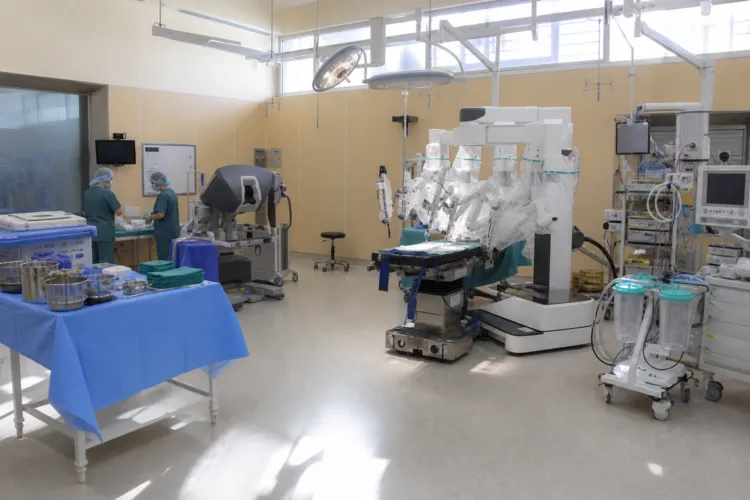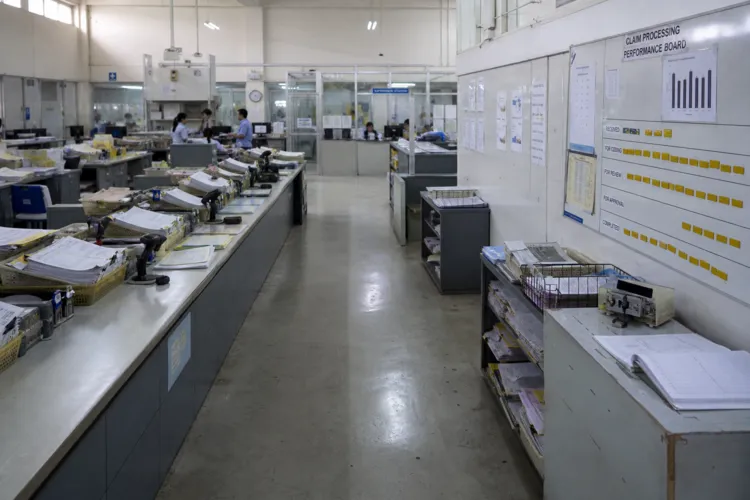
Oncology care access in Malaysia is closely linked to how early cancer can be detected and treated, especially when specialist resources are limited. Liver cancer highlights the stakes. It is described as one of the country’s most deadly cancers, and five years after diagnosis or starting treatment, the survival rate stands at 12.8 percent. One major barrier to catching cases earlier is limited access to specialist care, particularly in rural areas. The situation is compounded by a workforce constraint: Malaysia has only four specialists available for every 10,000 patients, and most hepatologists and oncologists are concentrated in urban hospitals. That distribution leaves many rural communities without timely pathways to diagnosis, surveillance, or treatment.
In response, clinicians are changing how expertise moves across the country. Professor Rosmawati Mohamed, MD, a hepatologist at National University Malaysia, is using Project ECHO to bridge the urban-rural gap and address late-stage liver cancer diagnoses. She describes that before ECHO there was no virtual platform for capacity building, and that with specialist shortages, doctors sometimes had to be flown from cancer hospitals in cities to other states to reach patients. ECHO replaces that travel burden with structured, weekly virtual sessions. Clinicians without multidisciplinary teams can present anonymized cases to experts, including hepatologists, oncologists, radiologists, and surgeons, who provide guidance for hepatocellular carcinoma care.
Training Primary Care to Find Risk Earlier, Then Refer Faster
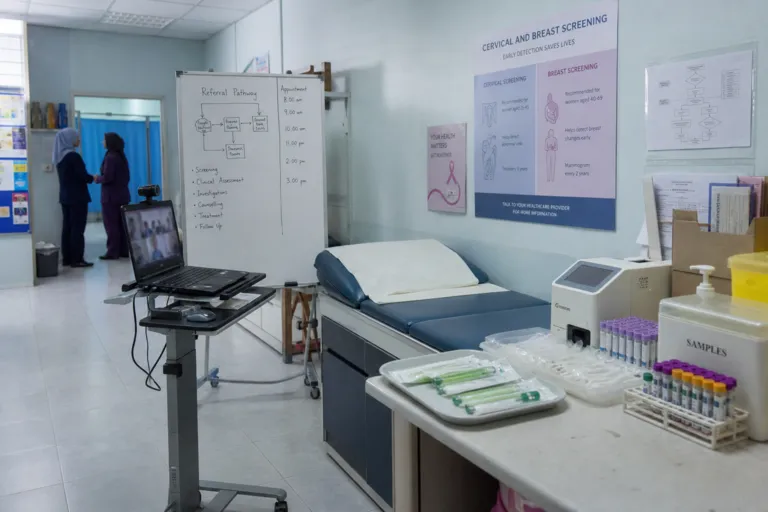
The core logic is to expand earlier detection by strengthening primary care capability where people live. Dr. Rosmawati notes that while specialist numbers cannot be rapidly increased, primary care providers can be trained to screen for liver disease and identify patients at risk for liver cancer within their own communities. Her team acted after Malaysia updated its clinical guidelines on type 2 diabetes to recommend screening for fatty liver disease. They engaged primary care providers in three states to raise awareness and train local providers to identify high-risk patients and refer them to specialists for evaluation, including surveillance for liver cancer. The practical outcome is that community clinics once unfamiliar with screening protocols are now identifying at-risk patients and acting quickly.
These Malaysia-specific access moves sit inside a broader oncology growth and innovation cycle across Asia Pacific and globally. The Asia Pacific oncology market was valued at USD 57.03 billion in 2025 and is projected to reach USD 178.55 billion by 2034, growing at a CAGR of 13.52% from 2026 to 2034. Globally, the oncology market was calculated at USD 250.88 billion in 2025 and is predicted to rise from USD 279.73 billion in 2026 to approximately USD 732.45 billion by 2035, expanding at a CAGR of 11.31% from 2026 to 2035. These figures are not Malaysia-only, but they illustrate how fast oncology services, diagnostics, and treatment ecosystems are scaling in the wider region that Malaysia participates in.
Digital tools are also shaping how earlier detection and continuity of care could improve over time, alongside local training models. Market analyses describe growth in tele-oncology and virtual care models that facilitate remote consultations, monitoring, and support, especially in rural regions or during post-treatment recovery. In oncology information systems, solutions accounted for USD 2,354.1 million in revenue in 2024, and the shift toward AI-driven treatment planning and real-time patient monitoring is described as transforming workflows by enhancing accuracy and efficiency. For Oncology Care Access Malaysia, the near-term lesson is clear: expanding early detection can be achieved by moving knowledge through structured virtual mentorship and aligning screening guidance with frontline practice, while the broader technology landscape continues to evolve around precision and data-driven care.
Why does earlier detection matter for cancer care access in Malaysia?
How many specialists are available relative to patient needs in Malaysia?
How does Project ECHO support earlier detection without moving patients?
What guideline change helped expand screening activity tied to liver cancer risk?
What is the wider regional market context for Oncology Care Access Malaysia?