Medical Device Assembly Vietnam is gaining momentum as healthcare demand rises alongside economic development, middle-class growth, and a stronger preference for high-quality services. Vietnam is investing to equip facilities with more advanced devices as it upgrades and expands hospitals and targets better efficiency. BMI reported healthcare expenditure surpassed USD 22 billion in 2024, equal to 4.7% of GDP. Clinical needs also shape procurement and manufacturing priorities. The WHO reported that non-communicable diseases account for approximately 80% of total deaths in Vietnam, reinforcing demand for better diagnostics, monitoring, and treatment capacity.
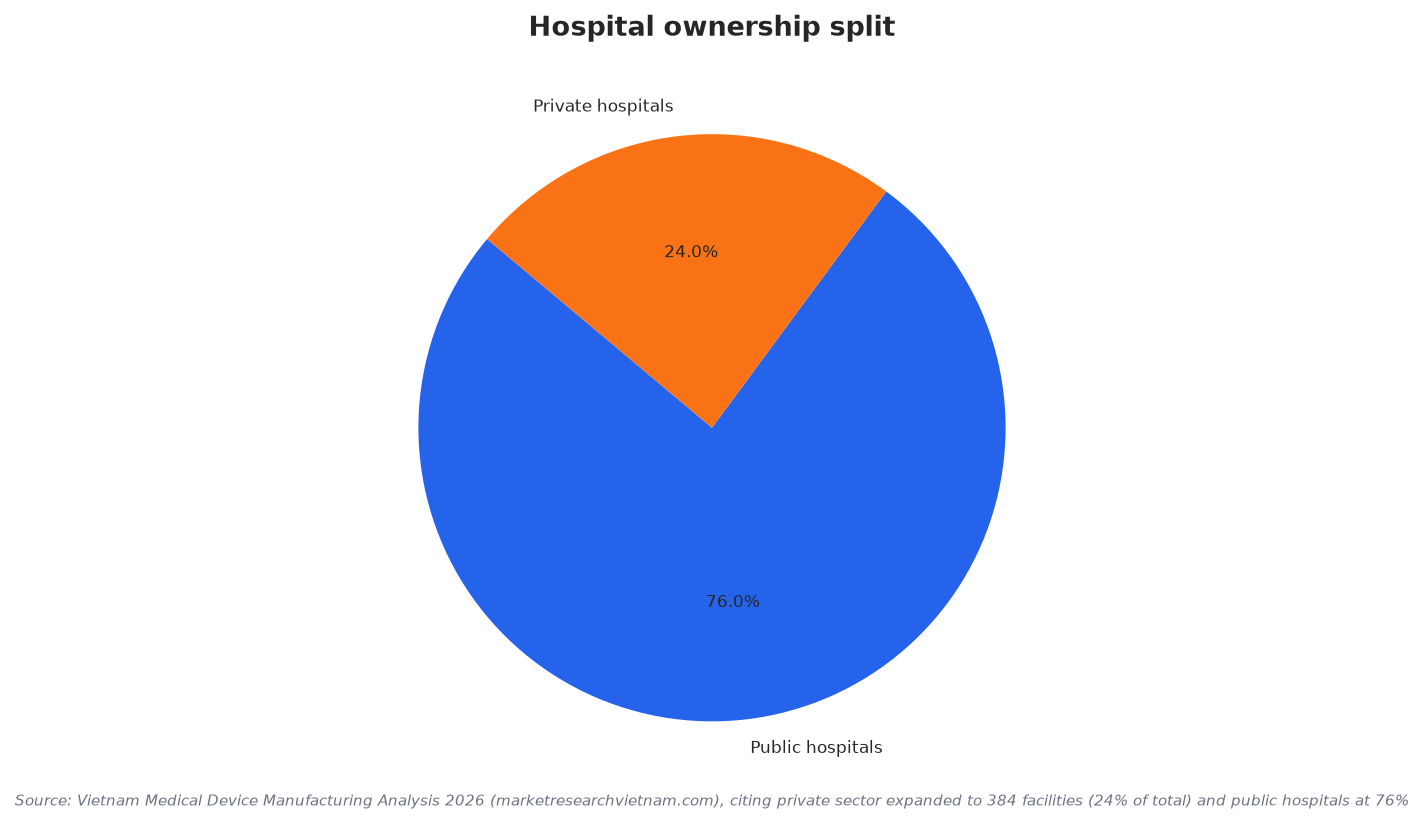
Vietnam’s hospital structure helps explain why localization is selective rather than universal. The country has over 1,300 hospitals and medical facilities serving more than 100 million people. The private sector has expanded to 384 facilities, or 24% of total hospitals, yet these private hospitals account for only 5.8% of national bed capacity and many focus on specialties such as ophthalmology, dentistry, dermatology, cardiology, and oncology, often with fewer than 50 beds. Public hospitals still represent 76% of hospitals, and a Trade.gov guide notes that major urban hospitals can receive up to 60% of the country’s patients and operate beyond intended capacity, influencing purchasing cycles and standardization needs.
Imports Dominate, but Local Assembly Gains Ground in Strategic Segments
Most advanced imaging systems, diagnostic analysers, and high-end treatment equipment still come from overseas, and several sources quantify that import dependence. Vietnam Briefing stated that over 90% of medical equipment has been sourced from abroad, mainly from Japan, Germany, the U.S., China, and Singapore, and that products from these countries accounted for 55% of Vietnam’s total imports of medical equipment. Ringier Industry Sourcing similarly noted that more than 80% of high-value medical equipment is still imported. Even so, market sizing signals a large enough base to justify local footprints: in August 2024, Vietnam’s Director-General of the Drug Administration said the market was thriving at nearly USD 1.7 billion, while BMI Research valued the market at USD 1.9 billion in 2024.
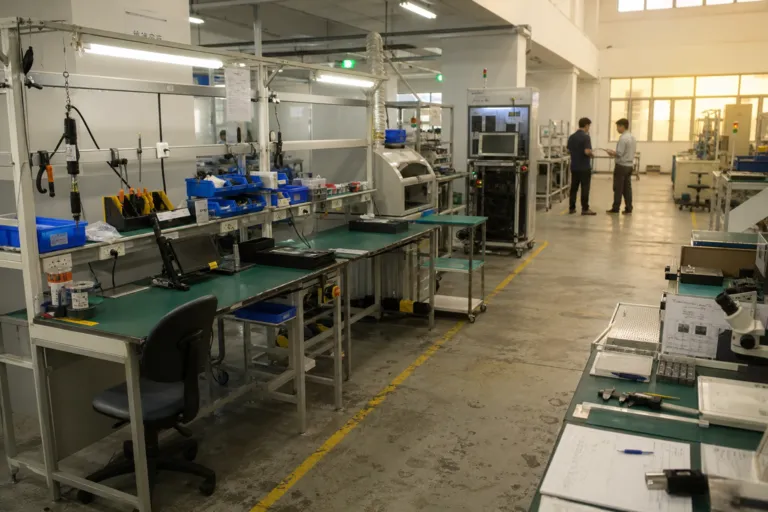
The practical localization story is strongest where Vietnam can execute stable, high-volume production with consistent quality. Nexdigm noted that the local manufacturing base for gloves, catheters, syringes, and basic diagnostics is expanding, supported by rising domestic FDI and government incentives targeting a 10–15% private hospital bed share by 2025. The same source added that several industrial zones now host medical consumable factories with monthly output in the tens of thousands of units. Ringier also described local production in consumables, precision components, and electro-mechanical assemblies, including foreign-invested activity in dialysis consumables, infusion systems, needles and specialty surgical instruments, catheter components and precision wire products, and healthcare monitoring devices.
As assembly and component work scales, requirements tighten around traceability, repeatability, and compliance. Ringier highlighted the role of metalworking in devices and supporting tools, including stainless steel forming, machining, heat treatment, and polishing for surgical instruments, plus tight-tolerance components for orthopedic instrument sets and dimensional control for connectors and fittings used in dialysis and infusion hardware. Regulation is also becoming a bigger factor in go-to-market decisions. Trade With Viet described Ministry of Health risk-based classification from Class A–D and noted that a Local Authorized Representative is mandatory to file and maintain licenses. In adjacent emerging technologies, IndexBox’s Vietnam 3D printed medical devices report stated the market will remain import-dependent for the foreseeable future, while advising that local service capabilities will improve as training programs expand and the workforce matures.
What is driving localized medical device assembly in Vietnam?
How import-dependent is Vietnam’s medical device market today?
Which product areas are most associated with Medical Device Assembly Vietnam today?
What do sources say about factory output for locally made consumables?
What licensing or compliance requirement affects market entry and local operations?