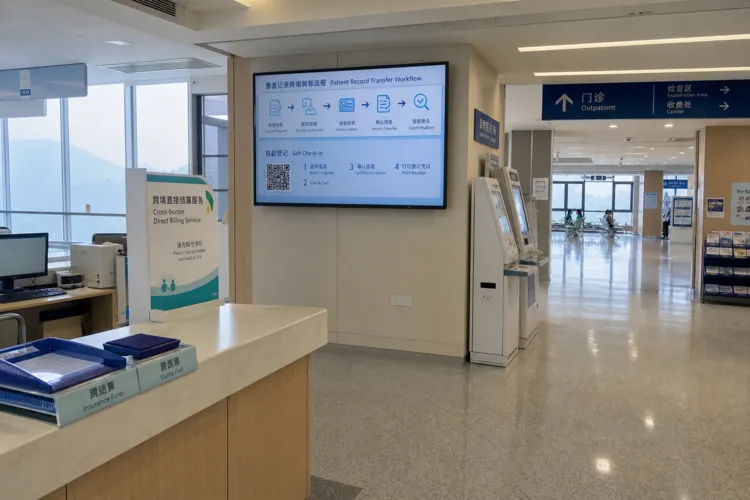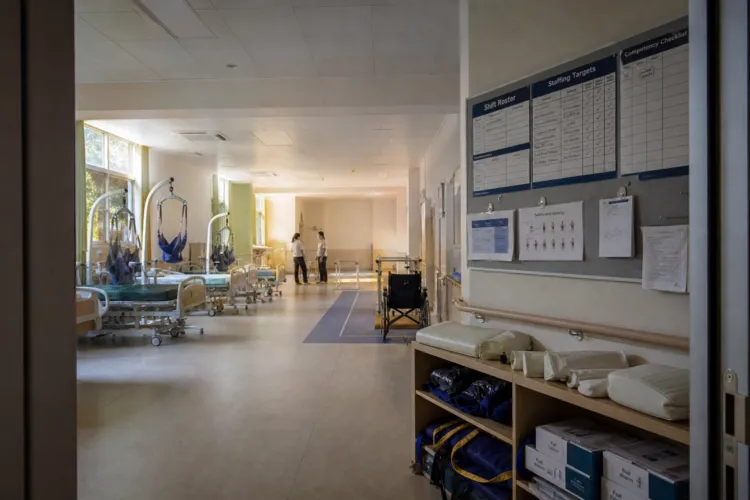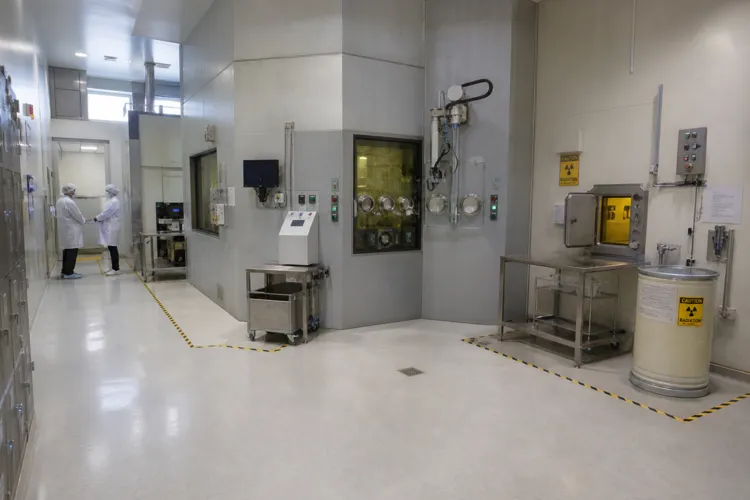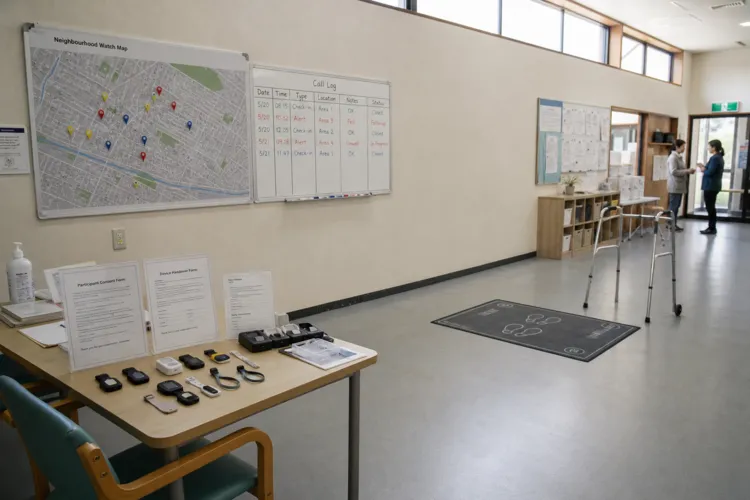

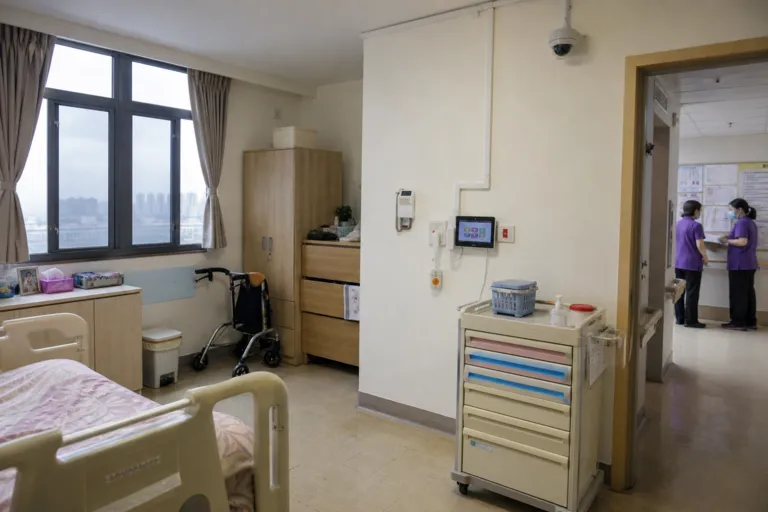
Smart Elderly Care Products Taiwan are entering a regional moment shaped by aging, chronic conditions, and pressure on care systems. Taiwan’s geriatric care market overview describes a shift away from traditional family-based models toward formal and professionalized solutions, driven by changes in family structures, urban migration, and evolving norms. The same source highlights how longer lives often come with multiple chronic conditions that need continuous management. It also points to rising attention around age-related disorders such as dementia, Alzheimer’s disease, hypertension, diabetes, and depression, which pushes care toward multidisciplinary teams and more coordinated support networks.
That local transformation is happening alongside rapid global market expansion. One global report estimates the overall elderly care market reached $1929.3 billion in 2025 and is expected to reach $2832.6 billion in 2030, at a 7.9% CAGR. The same report cites UN DESA figures that the number of people aged 65 or older reached 703 million and is projected to rise to 1.5 billion by 2050, implying that 1 in 6 people globally will be over 65 by mid-century. These figures are global context, but they help explain why regional buyers and public systems increasingly look for scalable tools that support both care coordination and daily living needs.
Why Smart Monitoring and Connected Products Are Becoming the Default
Smart solutions are also growing as a distinct market category. A smart elderly care solution report values the global Smart Elderly Care Solution Market at approximately USD 1050.45 million in 2024 and projects it will reach USD 3447.71 million by 2034. The report links demand growth to COVID-19 era home quarantine and social isolation, which accelerated interest in remote monitoring and health management technologies among seniors. For Taiwan-based suppliers entering nearby aging markets, this context reinforces why remote monitoring, smart home features, and digital health management are now expected parts of modern elder care offerings rather than optional add-ons.
AI-enabled care is another layer shaping procurement decisions across regions. One analysis values the AI in Aging and Elderly Care market at USD 56.78 Bn in 2025 and forecasts USD 387.52 Bn by 2035, with a 21.30% CAGR for 2026 to 2035. The same source lists solution areas such as companion and conversational AI, robotics and physical assistance, remote monitoring and predictive analytics, and smart home or ambient sensing systems. It also notes North America is expected to hold the highest market share, framing a benchmark for technology adoption that Taiwan suppliers can watch when designing products and partnerships for regional buyers.
Moving into regional aging markets also means navigating adoption barriers and policy-driven demand. A separate report estimates the elderly care products market at USD 48.8 billion in 2025 and expects 5.4% CAGR from 2026 to 2035, while stating Asia Pacific is the fastest-growing region at a 7% CAGR through 2035 from a 23.5% revenue base in 2025. That report also warns that many older adults, especially in the 75-and-over cohort, face barriers to connected products due to low digital literacy, privacy concerns, and device setup complexity. For Smart Elderly Care Products Taiwan, expansion is not only about adding features, but also about simplifying onboarding and building trust so that regional demand converts into sustained use.
How large is the global elderly care market, and how fast is it growing?
What do UN figures say about global aging trends relevant to regional markets?
What is the projected growth for smart elderly care solutions worldwide?
How fast is the AI in aging and elderly care market expected to expand?
What should buyers know about Smart Elderly Care Products Taiwan when entering regional aging markets?